How E-Commerce Brands Are Producing Product Videos Without Hiring a Single Creator
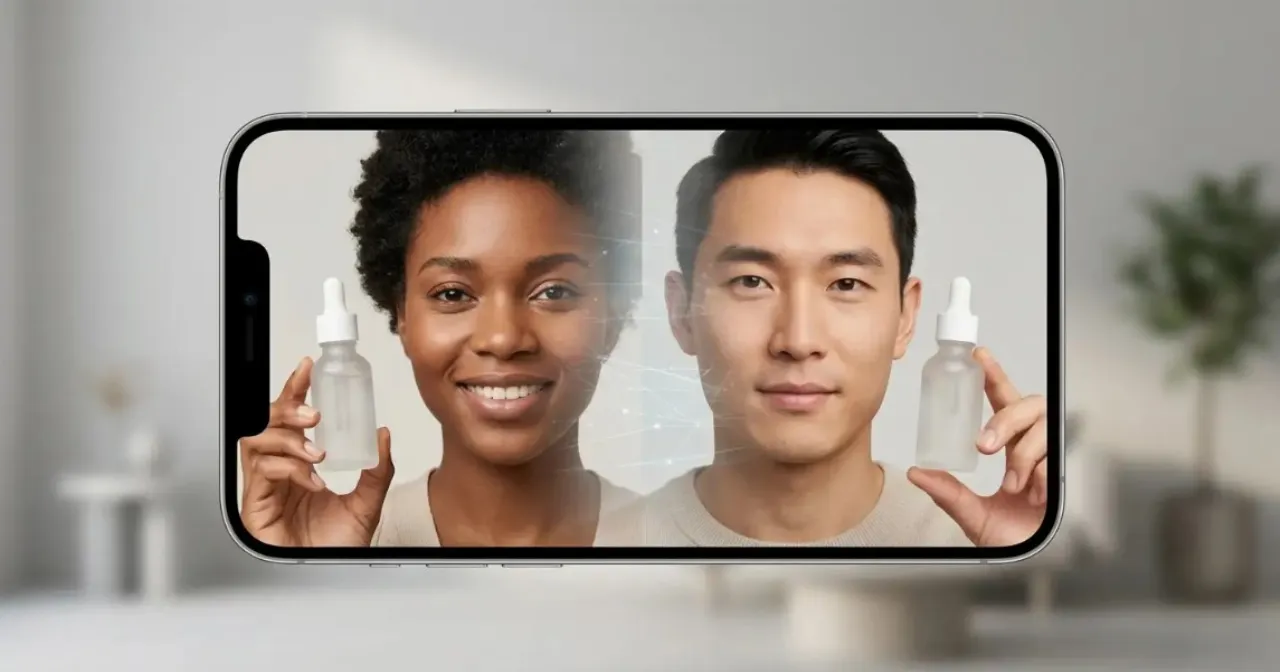
A year ago, producing a product video meant hiring a UGC creator, waiting two weeks for a draft, and praying the final cut was on-brand. Most brands did it anyway, because video converted, and there was no other option.
That's no longer true.
In 2026, a wave of e-commerce brands is producing product videos entirely in-house, with no creator contracts, no shoot days, and no revision standoffs. The tools changed. The workflows changed. And the results are surprisingly good.
Here's what's actually happening and why it's accelerating faster than most people expected.
The Creator Bottleneck Was Always a Production Problem
Working with creators isn't just expensive. It's slow.
Briefing, negotiating rates, waiting on delivery, requesting revisions, reviewing usage rights: the average UGC turnaround still takes 10 to 14 days. For brands running weekly ad tests, that pace kills momentum.
The underlying issue was never the creator. It was that brands needed production capacity, not personalities.
Most product videos don't need a recognizable face or a loyal audience. They need clear visuals, good pacing, and a believable human element. Those three things are now achievable without a single creator on retainer.
What AI Video Tools Are Actually Replacing
It's worth being specific here. AI video tools aren't replacing creative strategy or brand voice. They're replacing the mechanical parts of production:
Scripting and variation. A brand can now prompt an AI tool with a product URL and get a dozen script variations in minutes. Performance marketing teams spin up dozens of UGC-style ad variations without booking a single creator, then let the platform find the winners.
On-camera presenters. AI avatar tools like HeyGen and Synthesia let brands pick or clone a presenter, type a script, and produce a talking-head video with accurate lip sync in minutes. No studio. No talent fee.
Visual content generation. Text-to-video tools convert product descriptions into rendered video clips. Brands can now go from brief to finished video in under 10 minutes, according to several early adopters.
Localization. Translating a product video into a new language used to mean a full reshoot or awkward dubbing. AI tools now handle language, voice, and lip sync simultaneously, preserving the original speaker's cadence.
The net effect is dramatic. Early adopters in fashion saw a 40% reduction in content production spend while increasing output by 300%.
The Shift Brands Are Making: From Creator Pipelines to Content Systems
The brands seeing the most traction aren't just swapping creators for AI tools. They're rethinking the whole workflow.
Instead of briefing one creator and hoping for one good video, they're building content systems that produce dozens of variations from a single product asset. The same still image becomes a lifestyle video, a feature explainer, a testimonial-style ad, and a localized variant for a different market.
AI video generation now lets brands turn text descriptions into compelling visual stories that drive conversions, and the marginal cost of producing a thousand variations is nearly zero. That's what makes this a systems shift, not just a tool upgrade.
The brands winning here are thinking in templates and batches, not one-offs.
The Human Element Isn't Gone — It's Just Flexible
One smart use of AI that often gets overlooked: adapting existing video assets rather than generating from scratch.
If a brand already has one solid product video — from a past shoot, a founder clip, or even a supplier asset — AI tools can extend the life and reach of that content without new production.
Tools like Magic Hour AI make this particularly practical. Its AI face swap feature lets marketers replace the on-camera face in any existing video using a single reference photo. The AI handles alignment, skin tone matching, and expression tracking automatically.
A brand that shot a product demo six months ago can now adapt that same footage for a different target demographic, a regional market, or an A/B test on presenter style, without refilming a single frame.
It's a quiet but powerful capability. Instead of starting from zero every time the campaign changes, brands reuse what already works and update only what needs updating.
What This Looks Like in Practice
Here's a concrete example of a modern AI video workflow for a DTC skincare brand:
- Product photos go into an image-to-video tool and become a short lifestyle clip with motion and ambient sound.
- The clip gets handed to an AI presenter tool, where a scripted voice-over is synced with an avatar explaining key ingredients.
- That master video gets localized into three languages while preserving the presenter's voice and delivery.
- The English version gets face-swapped to feature a presenter that better matches a specific ad audience segment.
- All four versions get pushed to paid channels and tested simultaneously.
Total time: a few hours. Total creator involvement: zero.
This is not hypothetical. Brands are using AI to generate runway-style videos from still product shots, eliminating the need for expensive photoshoots. Fashion brands are producing lookbook content, fit videos, and outfit reveals at scale with the same approach.
The Part AI Still Can't Replace
To be clear: not every product video should be AI-generated.
Authenticity still carries weight. UGC carries the trust signal that drives purchase decisions on product pages, and that's a signal AI has a harder time replicating from scratch.
The strongest brands are using AI where it makes sense: scaling catalog coverage, testing ad variations, localizing for new markets, while reserving real creator content for moments where genuine human trust is the point.
That's the right balance. AI fills the volume gap. Creators fill the credibility gap.
Why This Is Accelerating Now
A few things converged at once.
Text-to-video technology is fundamentally changing how brands create content. Model quality improved enough that AI-generated video stopped looking "AI-generated." At the same time, tools became browser-based and accessible, with no technical setup, no GPU, and no design background required.
The cost curve also moved sharply. Where a single 30-second product video once cost $500 to $2,000 to produce with a crew, AI generation now costs pennies per video. That economic shift changes the calculus for every brand, not just the well-resourced ones.
Small businesses that previously relied on static images can now compete with large brands by flooding their stores and social feeds with dynamic product demos.
What to Do With This
If you're still running a pure creator-dependent video pipeline, here's where to start:
Audit your existing assets. Before generating new content, look at what you already have. Old shoot footage, supplier videos, and founder clips can all be extended using AI tools at a fraction of the cost of new production.
Pick one workflow to replace first. Don't try to overhaul everything at once. Start with ad creative variation. It's the highest-volume, lowest-risk place to test AI output.
Build for batches, not singles. The economic advantage of AI video is in volume. If you're producing one video at a time, you're not using these tools correctly.
Keep creators for trust moments. Real reviews, unboxing content, and community-facing posts still benefit from human authenticity. Use AI where scale matters, and creators where credibility does.
The creator pipeline isn't dead. But for a large portion of e-commerce video, covering catalog coverage, ad variation, localization, and testing, it's no longer the only option. And for many brands, it's no longer the default one.
The brands figuring this out now are building a production advantage that compounds. Faster testing cycles. Cheaper variation. More channels covered. That's a hard gap to close once it opens.
